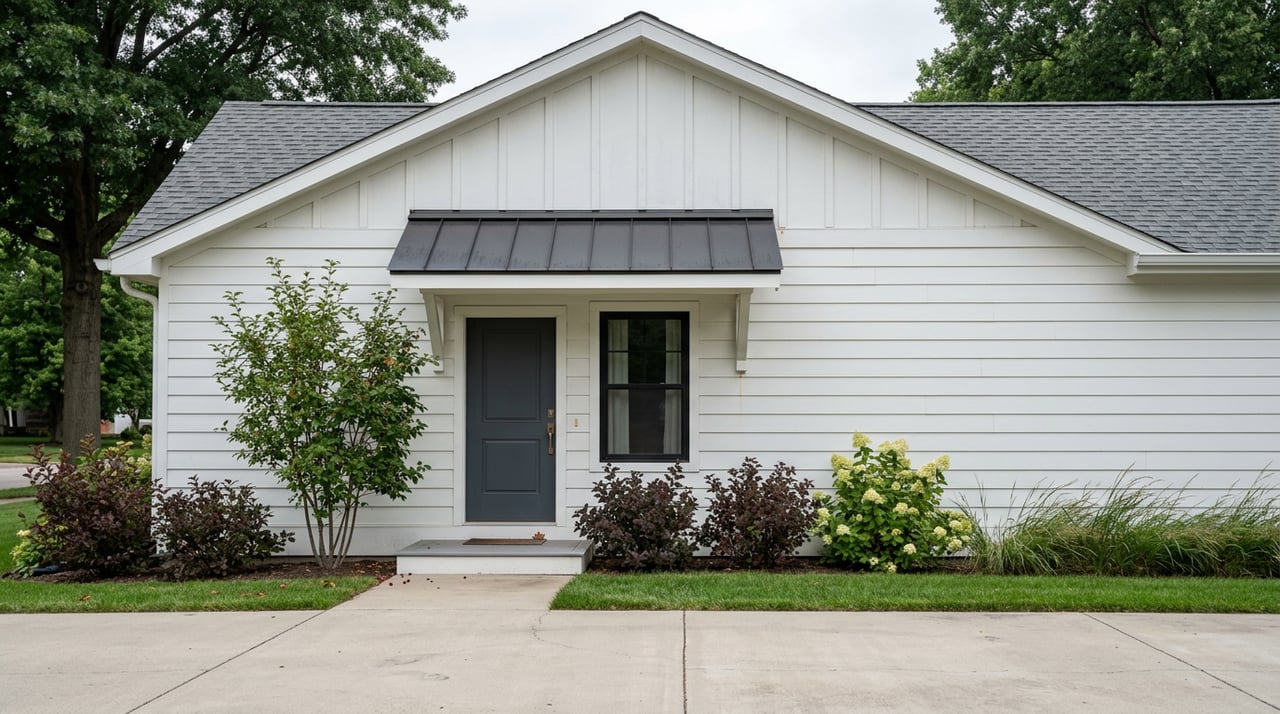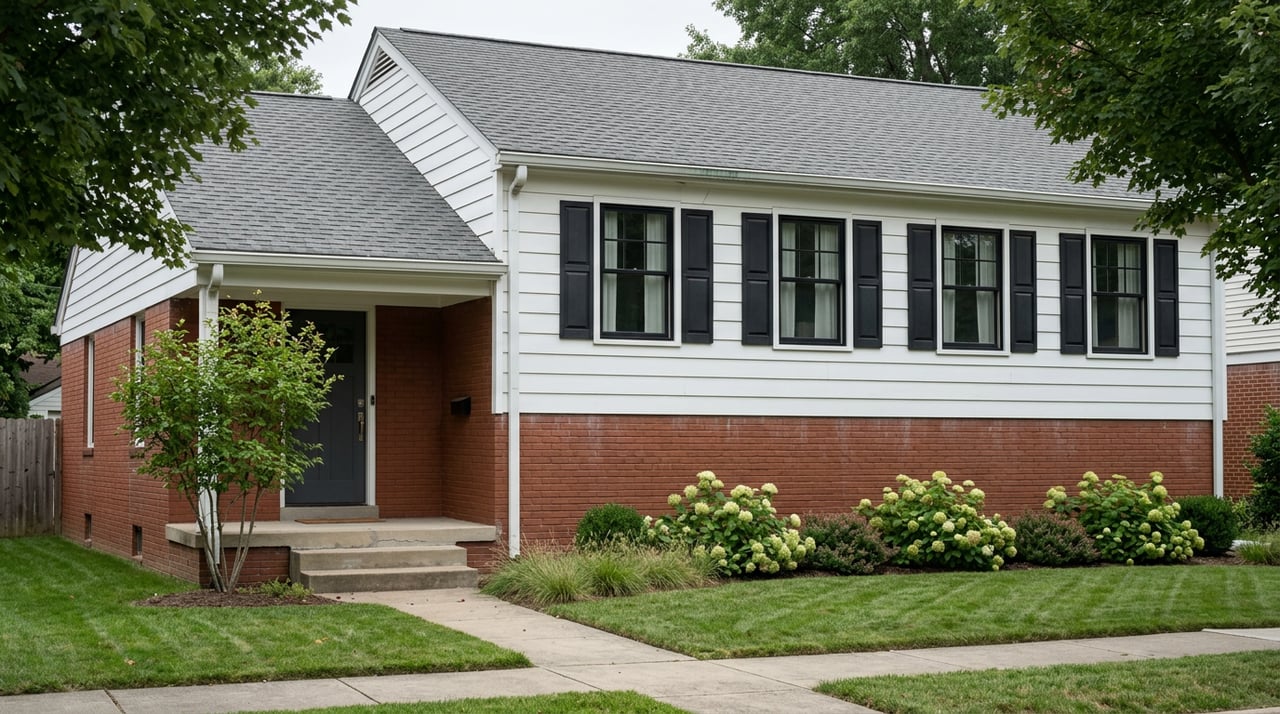
In the 1990s, a landlord named Benjamin owned two rental houses in West Lafayette: one on Elm Drive, zoned R-1 for low-density single-family use, and one on Chauncey Street, zoned R-2 for medium-density single- and two-family use. Both were popular with Purdue students. Both, according to the city, were over capacity. The case went to the Indiana Court of Appeals, and the numbers that came out of it are still worth knowing if you're buying, selling, or holding a rental property in West Lafayette today. The city sought fines for hundreds of separate occupancy violations, each one carrying a civil penalty between $200 and $500, because West Lafayette's ordinance treats every day a house sits over its legal occupant limit as its own distinct offense.
The rule Benjamin ran afoul of hasn't gone anywhere. It's the same rule that governs what you can legally do with a rental property near campus right now, and it has almost nothing to do with the market.
The definition of "family" nobody reads until they're in court
West Lafayette's Unified Zoning Ordinance defines "family" for occupancy purposes as one or more people related by blood, marriage, or adoption, plus not more than two unrelated people living together as a single household. In practice, that means a maximum of three unrelated occupants in most residential zoning districts, regardless of how many bedrooms the house has. This wasn't written with any particular era of Purdue enrollment in mind. It's a durable zoning definition, tested in Benjamin v. City of West Lafayette, and it applies whether the house sits in an R-1 district built for single families or an R-2 district that allows two-family use.
That distinction matters for one reason: neither zoning category raises the occupant cap. R-2 permits a duplex structure, not a higher headcount of unrelated tenants under one roof. A five-bedroom house converted to student housing in an R-1 zone is capped at three unrelated occupants exactly the same as a comparable house one block over in R-2.
The math an investor runs versus the math the city enforces
Here's where the friction actually shows up. An investor evaluating a five-bedroom house near campus tends to price the deal on rent-per-bed math: five tenants, five rent checks, one mortgage. It's the same instinct that makes a bigger house look like a better rental.
The city doesn't underwrite that way. A Purdue Exponent report on occupancy enforcement described a case where a tenant was required to leave a four-bedroom rental once the block was rezoned R-1, even though the house had plenty of physical space for more than three people. The zoning cap doesn't bend for square footage or bedroom count. It bends only for family relationship.
That means the real income ceiling on a converted single-family rental in most West Lafayette residential zones is three rent-paying occupants, not however many bedrooms a floor plan shows on a listing sheet. If your offer price or your rent projection assumes four or five leases, you're underwriting a number the zoning ordinance won't let you collect legally.
Two different city offices, two different forms
Zoning occupancy limits are only half the compliance picture. West Lafayette also runs a separate rental housing registration and inspection program through its Building Department, reachable directly through the Rental Inspection office. This program exists independently of the zoning code. It governs whether a unit is registered and has passed inspection to be leased at all, which is a different question from how many unrelated people are legally allowed to occupy it.
A property can be correctly zoned and still be out of compliance with the rental inspection program, or registered and inspected while quietly running over its occupant cap. Buyers evaluating an existing student rental need to check both tracks separately. Neither one substitutes for the other.
What a seller needs to prove, and what a buyer should ask for
The Benjamin case turned partly on paperwork, not just headcount. Landlords in West Lafayette are required to submit occupancy affidavits stating how many people actually live in a rental unit, and submitting an inaccurate one is its own ordinance violation, separate from the underlying over-occupancy. In Benjamin's case, a fourth tenant's rent payment had already been deposited before the affidavit was finalized, and that gap between the paperwork and the actual lease became part of the city's case.
For a seller marketing a property as an established student rental, that means the affidavit and registration history are documents worth having in order before listing, not after an offer comes in. For a buyer, it means asking for the current occupancy affidavit and inspection certificate directly rather than relying on a verbal description of "how many kids live there now." A rent roll showing four leases on a property that's only ever been affidavited for three is a conversation worth having before closing, not after.
| Zoning district | Common use in West Lafayette | Occupant cap for unrelated tenants |
|---|---|---|
| R-1 | Low-density single-family | 3 |
| R-2 | Medium-density single- and two-family | 3 |
The takeaway from that table is simple. Moving from R-1 to R-2 doesn't buy an investor more legal occupants. It buys a different structure type, not a higher headcount.
The short-term rental door is also narrowing
Some investors look at the three-person cap on long-term student leases and consider a different exit: converting the property to a short-term rental instead, where nightly guests aren't governed by the same "family" occupancy definition in the same way. That door has been getting narrower rather than wider. As of January 2025, both West Lafayette and Lafayette were discussing additional restrictions on short-term rentals in single-family neighborhoods, part of a broader response to local housing supply concerns. That's now more than a year behind us, and neither city's final position has been confirmed here, so nothing about that discussion changes today's occupancy rule. It's a reason not to treat short-term rental conversion as a guaranteed workaround to the three-person cap. Anyone weighing that path should confirm current status with the city before assuming it as part of the deal's underwriting.
What this means if you're buying or selling a West Lafayette rental this year
The bedroom count on a listing sheet is a construction fact. The occupancy cap is the income fact, and it's the one that actually governs what a property can legally earn. A few things worth doing before you write or accept an offer on a West Lafayette rental:
- Confirm the zoning district (R-1 or R-2) and treat the three-unrelated-occupant cap as the ceiling on rent-paying tenants, not the bedroom count.
- Ask for the property's current occupancy affidavit and rental registration certificate, not just a verbal rent history.
- If the seller is marketing four or five leases, find out whether that number has ever been reconciled with the filed affidavit.
- Don't underwrite a short-term rental conversion as a fallback plan without checking the current status of any local restriction discussions first.
None of this is a reason to avoid buying or selling a rental property in West Lafayette. It's a reason to underwrite the actual legal ceiling rather than the one a floor plan suggests.
Frequently asked questions
Does the three-unrelated-person rule apply to every neighborhood in West Lafayette? The cap comes from the city's zoning definition of "family," which applies broadly across residential districts including both R-1 and R-2. Always confirm the specific parcel's zoning designation rather than assuming based on the neighborhood name.
What happens if a property I'm buying already has more tenants than the cap allows? This is a due diligence question to raise before closing, not after. Ask for the current occupancy affidavit and registration status, and understand that an existing lease with more than three unrelated tenants may not reflect what the zoning ordinance actually permits.
Are family members exempt from the three-person cap? Yes. The ordinance's definition of family includes any number of people related by blood, marriage, or adoption. The cap applies specifically to unrelated occupants living together.
Is the short-term rental restriction already in effect in West Lafayette? As of the most recent reporting, it was under discussion rather than finalized. Anyone considering a short-term rental conversion should confirm current status directly with the city before building it into a purchase plan.
If you're weighing a rental purchase, a sale, or a conversion in West Lafayette, this is exactly the kind of local mechanics we walk clients through before an offer goes in. The O'Shea Team has spent years working both sides of Greater Lafayette's rental and resale market, and we're happy to talk through what a specific property can actually support before you commit to a number. Reach out for a free home valuation and a straight answer on what the zoning will and won't let you do.