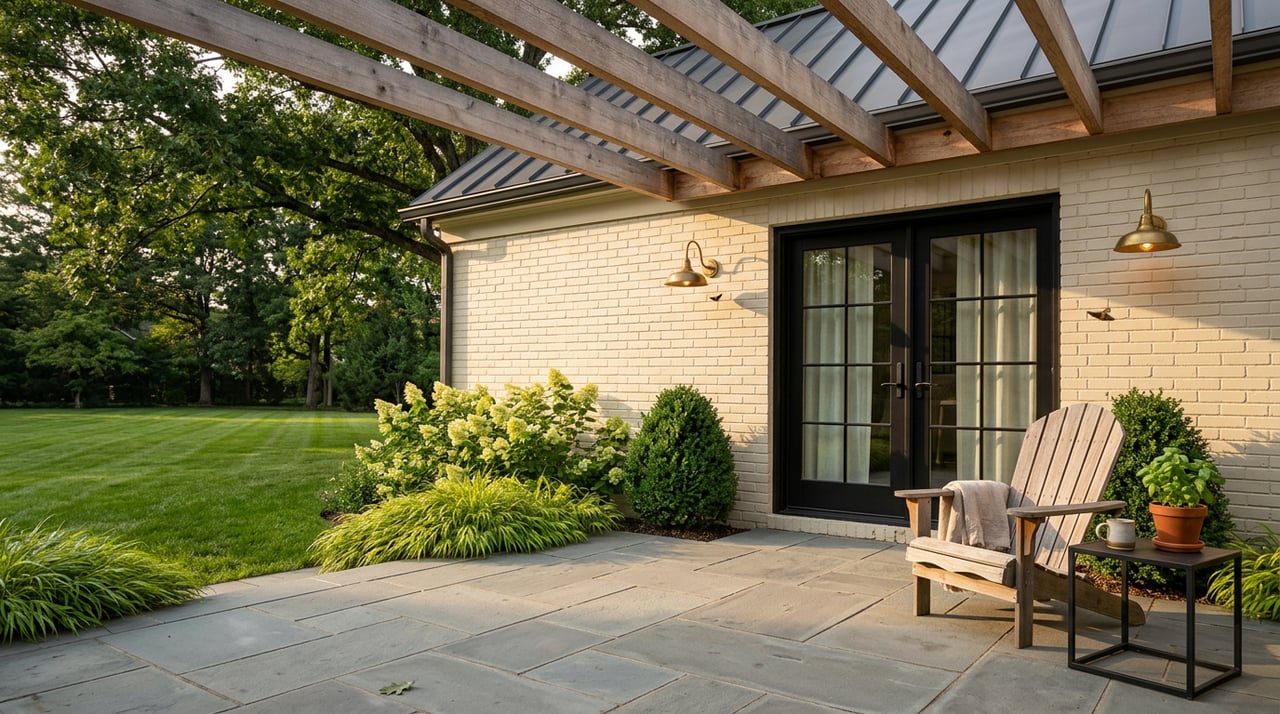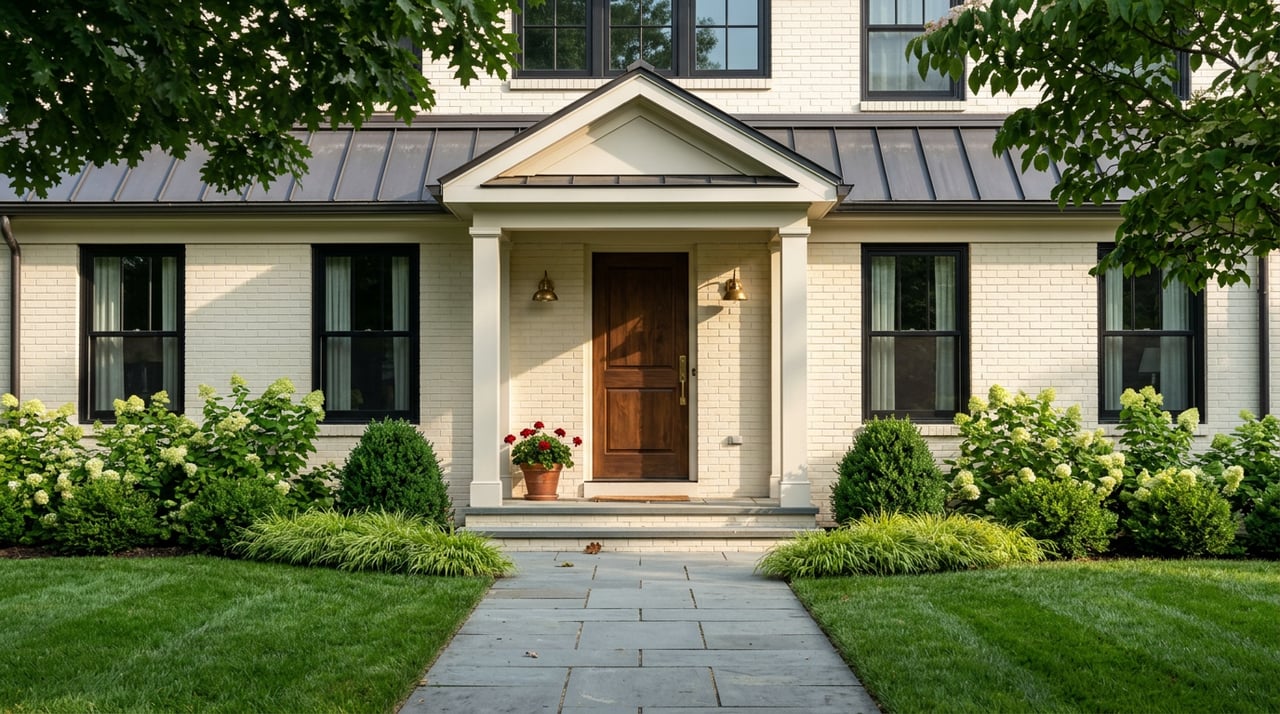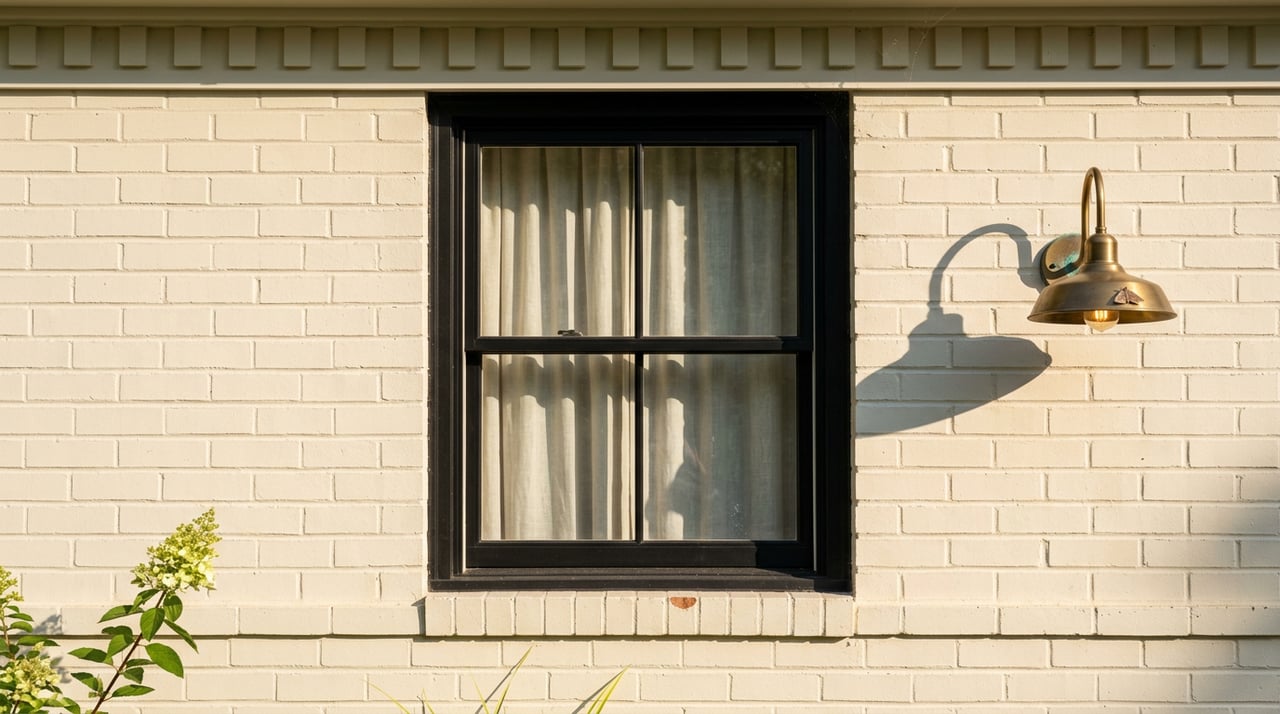
Sit at a closing table long enough in Lafayette and you'll hear the same anxious question from someone selling in Highland Park: do I need permission from the city to repaint the porch before we list? The answer is no. Highland Park sits on the National Register, but it is not a locally designated historic district. No Certificate of Appropriateness. No commission meeting. No design review for the color you pick.
The rule that will actually control your sale is a federal one, and it has nothing to do with historic character. It has to do with the year your house was built and whether the paint on the exterior is intact.
The rule people assume applies here
The confusion is understandable. Highland Park was listed on the National Register of Historic Places in 1996, the district encompasses 240 contributing buildings, and it developed between about 1892 and 1945 in a mix of Queen Anne, Tudor Revival, and Craftsman styles. There's an Indiana Historical Bureau marker in front of the old Highland School. Neighbors down the hill on Ninth Street Hill live under real design review, and word travels.
But those two districts are not governed the same way. Ninth Street Hill was added to the National Register in 1997 and then locally designated in 1999, which is the step that actually creates the review. Under Lafayette's Historic District Ordinance 2010-11, it's the local designation, not the federal listing, that triggers the Certificate of Appropriateness process. Highland Park never took that second step.
The Indiana Landmarks explanation is as direct as it gets: owners can modify National Register properties as they wish, using private funds, unless a local ordinance also applies. And the National Park Service confirms the same thing on its own FAQ page, which says listing places no federal restrictions on a private property owner.
Practically, this means a Highland Park seller can replace windows, tear off an addition, swap out siding, or paint the trim any color, without asking the Lafayette Historic Preservation Commission for permission. That's a genuine competitive advantage over Ninth Street Hill, where any exterior change visible from the public way has to go through staff or the full commission.
The rule that does apply, and where it hides
Here is the pivot. The average Highland Park home dates to the 1890s, and the newest contributing structures are from 1945. That single fact drops the entire district under the federal Residential Lead-Based Paint Hazard Reduction Act. The EPA estimates that 87 percent of homes built before 1940 contain lead-based paint, and only 24 percent of homes built between 1960 and 1977 do. In Highland Park, essentially every listing crosses that trigger.
Under the federal rule, before a buyer is contractually obligated to purchase a pre-1978 home, the seller has to do five things:
- Disclose any known lead-based paint or lead hazards in writing.
- Hand over any lead reports or test results the seller has on file.
- Give the buyer the EPA pamphlet "Protect Your Family From Lead in Your Home."
- Include the Lead Warning Statement in the purchase agreement, with both sides signing.
- Offer the buyer a 10-day window to inspect for lead at the buyer's expense.
Sellers do not have to test. Sellers do not have to remediate. But the penalty for skipping the paperwork is up to three times damages plus possible civil and criminal exposure, and it stacks on top of Indiana's own disclosure obligations under Ind. Code §32-21-5, the state form most agents know as form 46234.
That is the paperwork side. The money side is where deals actually die.
Where FHA and VA turn a paint chip into a repair
The buyer's loan type controls how much peeling paint matters. Conventional buyers with a clean inspection often treat cracking exterior paint as a cosmetic item. FHA and VA buyers cannot.
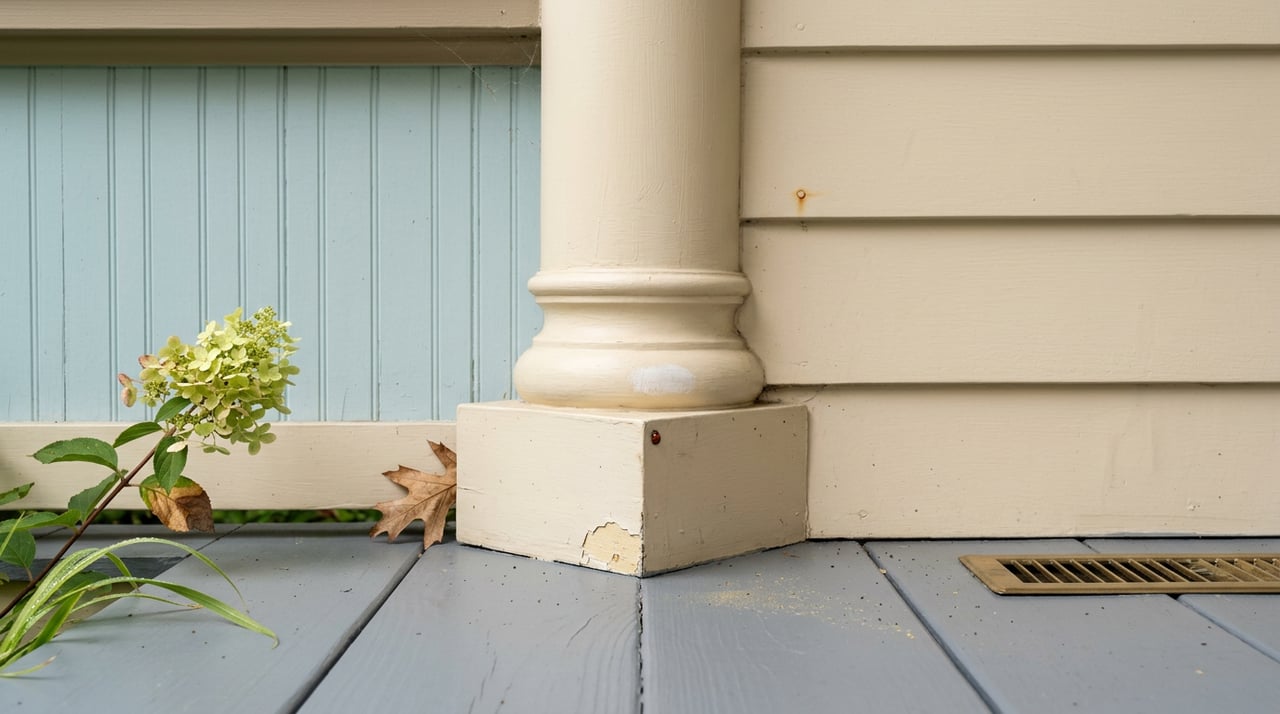
On any home built before 1978, FHA rules require every defective paint surface to be corrected before closing. This is not a credit-and-move-on situation. The appraiser flags it, the lender holds the file, and the repair has to happen before funds move. In a Highland Park listing where a Craftsman porch column has been weathering unattended for two summers, that requirement can force scraping, priming, and repainting during the option period, on a timeline nobody planned for.
The math on why sellers should do this before listing rather than after acceptance:
Professional lead-safe paint work in Lafayette runs roughly $8 to $15 per square foot when full removal is involved, with encapsulation on the cheaper end. That is the difference between a $600 touch-up on a porch and a $12,000 problem on a full facade, and it is the same physical work either way. The only variable is who is watching the clock.
The rule EPA enforces here is called the Renovation, Repair and Painting rule. It requires that any contractor disturbing lead-based paint in a pre-1978 home be lead-safe certified, and if no lead inspection has been done, Indiana law assumes all paint in a pre-1978 house is leaded. That is why the friendly neighbor with a wire brush is the wrong answer once you are under contract with an FHA buyer.
What "intact" versus "deteriorated" actually looks like
The distinction the appraiser is trained to see is not whether lead is present. It is whether the paint film is broken. Intact paint that is sealed under newer layers is generally not a repair issue. Cracking, peeling, chipping, chalking, or flaking paint on siding, trim, soffits, window sashes, and porch structures is.
For a Highland Park seller preparing to list, that translates to a walk-around with a fresh eye about six weeks before photography. Look at:
- The bottom two feet of any wood siding, which sheds paint first.
- Window sashes and sills, especially south and west exposures.
- Porch ceilings, columns, and the underside of eaves, where nobody looks daily.
- Detached garages and any outbuildings, which the appraiser will note.
- Exterior door frames and thresholds.
Anything actively failing gets scraped and repainted by a lead-safe certified painter before the sign goes in the yard. The cost is knowable, the timeline is yours, and no buyer's lender is standing behind you with a stopwatch.
What still gives Highland Park a selling edge
The absence of local design review is genuinely valuable at resale. A buyer who wants to add a rear addition, install modern black-framed windows, or convert an attic dormer can do so without a public hearing. That flexibility matters to move-up buyers coming from newer subdivisions who have heard horror stories about historic districts elsewhere. Framed honestly in listing copy, the National Register listing signals character and provenance without the compliance overhead buyers fear.
The Highland Park Neighborhood Association, the Yard of the Month program, the Friday-night Jerry on the Triangle gatherings, the walkability to downtown, and the Bicycle Bridge shortcut are the amenity story. The absence of a Certificate of Appropriateness process is the transaction story. Most listings only tell the first one.
Questions Highland Park sellers actually ask
If my house is on the National Register, do I get a plaque or tax benefit? Listed properties can qualify for federal and state rehabilitation tax credits on qualifying work, per the Indiana Division of Historic Preservation and Archaeology. The listing itself does not impose restrictions or fees.
What if I already know there is lead paint somewhere in the house? Disclose it on the federal form and on the Indiana Residential Real Estate Sales Disclosure. Actual knowledge is the standard. Sellers who conceal what they know are the ones who end up in litigation, not sellers who report what they see.
Can I sell "as-is" and skip the paint issue? As-is language does not override the federal lead disclosure rule and it does not stop an FHA appraiser from calling out defective paint. As-is controls what you agree to fix under the contract, not what the lender requires to fund.
Does the Lafayette Historic Preservation Commission ever review anything in Highland Park? Only if the property is receiving public funds for the work, or if the district is later locally designated. Neither applies to a private resale today.
If you own in Highland Park and are thinking about a 2026 sale, the sequencing matters more than the sale price you have in mind. A single walk-around now, an honest paint assessment, and a lead-safe painter booked for October or February can be the difference between a clean FHA close and a stalled deal at appraisal. The O'Shea Team has worked pre-1945 Lafayette homes long enough to know which contractors handle the prep correctly and how to write disclosure paperwork that protects you after closing. When you are ready to look at what your home is worth in this market, ask us for a free home valuation and we'll walk the property with you before anything gets listed.